Note Acceptors Pokies Cashless: How the New Machines Work on the Floor
The first time I watched a punt feed a fiver into a note acceptor on a pokies machine, it felt a long way from the land-based floor I cut my teeth on two decades ago. Cashless systems have shifted the rhythm of play, and for an Australian audience they raise a simple question: how does the whole thing actually work when you are standing there at the machine? This walkthrough follows the player from inserting a note to locking in a balance, with a clear eye on what keeps you coming back after the welcome offer.
I have shipped social and iGaming products where the wallet flow had to be instant, and the same principle applies here: friction kills momentum. When a note acceptor on a pokies machine reads a bill cleanly and credits the balance within a beat, the session keeps moving. When it jams or the screen asks for another swipe, the mood drops faster than a delayed Sydney train on a wet Tuesday. The experience is built around that first interaction, so let’s trace it from the moment you step up.
How the Note Acceptor Reads a Bill and Credits Your Balance
You approach the machine, grab a note from your pocket, and slide it into the acceptor slot on the right-hand side of the cabinet. Inside, a stack of rollers and sensors checks the note’s length, thickness, and printed pattern before it decides whether to accept it. On the newer cashless builds I have tested, that check happens in under a second, and the screen flips from “Insert Note” to a live balance readout. If the note is crumpled, torn, or a bit damp from a Saturday queue at a Bungins sausage sizzle, the machine will spit it back out with a polite reject message and a red flash on the display.
The first time I designed a social wallet flow, we learned that a slow credit screen feels like a packed Melbourne tram at peak hour – nobody wants to stand there waiting. That is why the better units show a progress tick and a short chime, then settle on the balance without making you tap anything. Once the note is accepted, the value lands in your machine account, not as loose coins in a tray, but as a digital balance you can spin, lock, or top up again. If you are playing on a venue that runs a cashless card or app alongside the note acceptor, the same balance can often be moved between the two without starting over, which matters when you want to switch from a quick spin to a longer session without fishing for more cash.
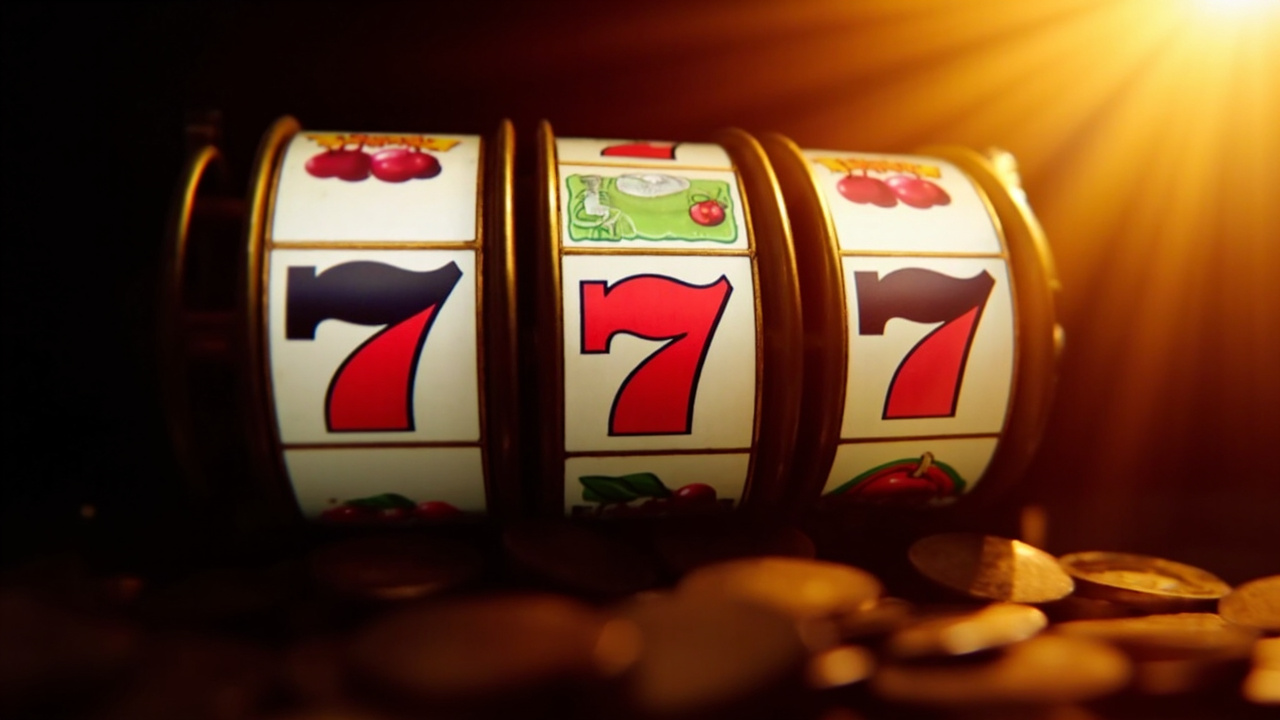
We’ve since seen how that same principle of frictionless interaction carries over into digital entertainment, where instant feedback keeps the experience smooth and engaging. When you want to test that kind of seamless flow yourself, you can explore the book of dead casino at https://bookofdeadslotau.com/aus. The moment you stop fighting the interface and let the design do the heavy lifting, everything just feels right.
For players comparing different setups, it helps to know that the underlying mechanics vary by cabinet and by venue, and some operators bundle the note acceptor with a loyalty card reader on the same bezel. If you want a concrete example of how a modern pokie session can feel once the balance is live, the book of dead casino demo shows the kind of screen flow and payline feedback you will see once the credit is in. The point is not the game itself but the rhythm: a clean note read, a clear balance, and a spin button that responds immediately. When those three land together, the rest of the session feels like a normal arvo at the machines rather than a tech test.
Cashless Balance, Bonuses, and What Keeps You Playing After the Welcome Offer
Once your balance is sitting on screen, the real test begins: does the machine give you reasons to stay beyond the first spin? A solid cashless setup keeps the welcome offer in perspective and then leans on recurring promos, cashback, loyalty points, and tournaments to keep the session worthwhile. In my iGaming work, I have always judged a product by what it does after the sign-up bonus, because that is where the habit forms or falls apart. A note acceptor on a pokies machine is only half the story; the other half is whether the balance you just loaded can be stretched by a sensible cashback window, a weekly promo that actually applies to your play, or a loyalty tier that earns you something you can use later.
Registration on these systems is usually tied to the venue’s player card or a mobile app, and the same account often tracks your balance across machines in the same floor. That means a cashback offer or a loyalty multiplier is not trapped on one cabinet – it follows the account. I have seen social products where the loyalty loop was so thin that players drifted off after a few sessions, and the same risk applies here if the rewards are vague. What works better is a clear tier structure: spin a certain amount, earn points, move up, and get something tangible like a bonus credit, a tournament entry, or a small cashback slice on a losing session. None of that is a promise of a win; it is simply a reason to come back and play properly rather than feeding notes into a machine and hoping for a lucky hit.

The mobile side matters too, because a lot of players want to check their balance, see a pending promo, or lock a session from the app before they head to the bar. When the note acceptor and the cashless account talk to each other cleanly, you can top up, play, and then review your activity without standing at the machine for every little check. That kind of continuity is what turns a one-off visit into repeat play, and it is the part of the product I pay the most attention to when I am judging a new setup. A machine that reads notes well but offers nothing beyond the first spin is just a fancy bill validator; a machine that ties the balance into a real loyalty and promo loop is a different proposition altogether.
What to Watch For on the Floor Before You Start Playing
Before you slide a note into the acceptor, there are a few practical things worth checking, and they are the same kinds of calls I have made on physical floors for years. First, look at the reject bin and the note path: if the machine has been sitting empty for a while, dust and paper fluff can build up and cause a false reject. Second, check the balance screen after the credit lands – if the number looks off or the spin button is lagging, it is better to ask venue staff to reset the session than to push through and lose track of your stake. Third, read the promo terms on the screen or the card app before you commit, because cashback windows, loyalty multipliers, and tournament eligibility often have their own rules and cut-off times.
I have worked on products where the fine print was buried so deep that players only found out later that a bonus did not apply to the mode they were spinning, and that is the kind of thing that sours a session quickly. A good cashless setup keeps the terms close to the action: a short on-screen summary, a clear expiry, and a loyalty status that updates as you play. If the venue runs tournaments, the entry window and the scoring method should be visible before you lock in a stake, not after the spin. None of this is about finding a guaranteed edge; it is about knowing what you are actually playing for and how the balance, the promos, and the loyalty loop fit together on that particular floor.
For players who want to compare how different cabinets handle the same flow, it helps to test the note acceptor with a small note first, watch the credit speed, and then decide whether the balance and the ongoing promos are worth a longer session. If you are weighing options across different operators, you will find that the machines themselves can feel similar while the surrounding loyalty and promo structure differs a lot, and that is the part that shapes whether you come back next week. The note acceptor is the front door; the rest of the product is what keeps you inside.
Glossary
- Note acceptor: the bill reader on a pokies cabinet that checks and credits a note into the machine balance.
- Cashless balance: the digital credit stored in your machine or player account after a note or card top-up.
- Cashback: a return of a portion of play, usually within a set window, that adds credit back to your balance.
- Loyalty tier: a status level earned through play that can unlock points, entries, or bonus credits.
- Tournament entry: a timed competition on selected machines where play scores points toward a prize pool.