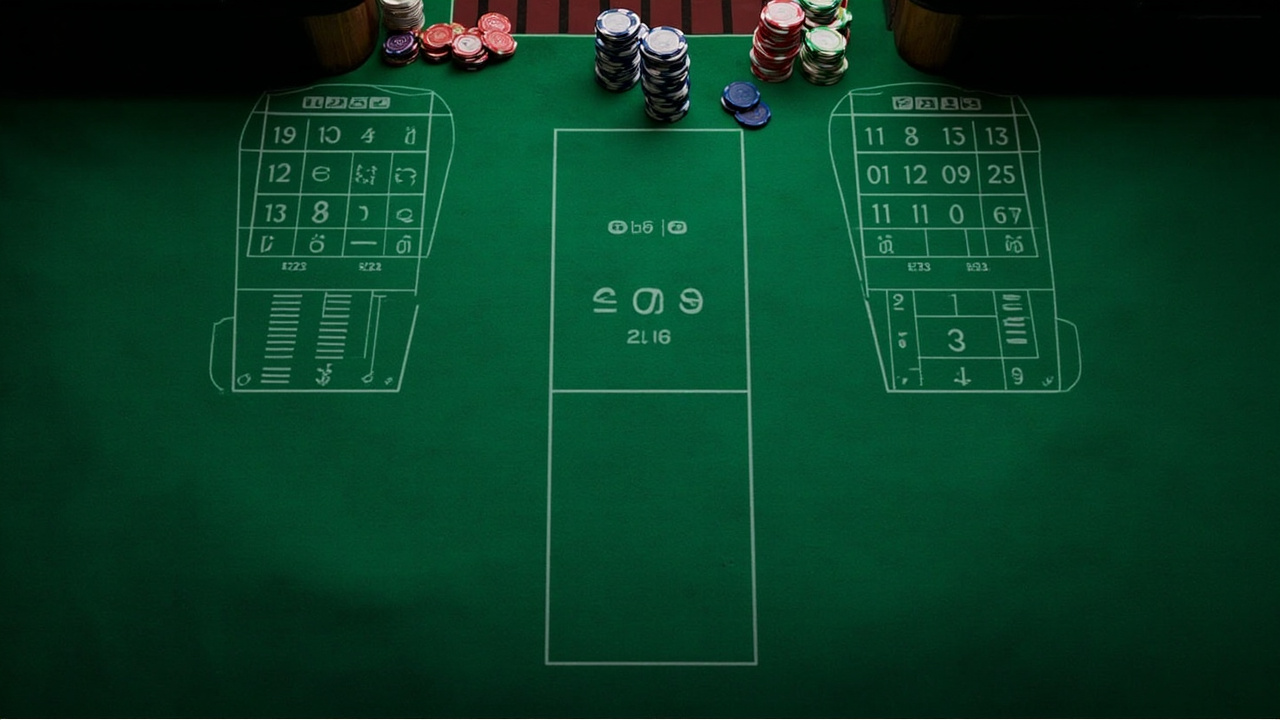
The roulette james bond strategy keeps showing up in player forums, but it is really just a structured bet pattern, not a system that bends the wheel. You place a high-number stake, cover evens with a smaller split, and fill the remaining space with a dozen bet. The layout looks tidy on paper, and the maths stays stubborn regardless of how you stack the chips. If you want to test it without chasing losses, a measured bankroll and a clear stop point matter more than any betting sequence.
Why the Bond Pattern Looks Neat but Stays Flawed
The appeal of the roulette james bond strategy comes from how it spreads chips across the layout. You put a straight-up bet on seventeen through thirty-six, a split on eighteen to nineteen, and the remainder on a dozen, which gives the table a busy, coordinated look. That visual order convinces some players they have shaped the game, yet the house edge on European wheels sits at 2.7 per cent on every outside line, and the bet pattern never shifts that figure. I have watched locals at a Geelong club try the same sequence on a busy arvo, stacking chips neatly before the dealer calls no more bets, only to watch the same short-term swings that catch most flat bettors. A useful way to think about it is as a spending plan, not a prediction tool: you decide in advance how much you want to risk across a session, and you accept that a string of reds or blacks will still dent the balance. If a session starts running hot, the temptation to push further is real, and that is exactly where chasing losses becomes a well-known warning sign in Aussie awareness campaigns. The pattern itself does not protect you from that drift; only a pre-set limit and a willingness to step away do.
Where the Layout Fits a Session Mindset
A session-based approach works best when you treat the bond pattern as a way to pace chips rather than chase a specific result. You can run a small bankroll across a handful of spins, watching the dozen bet and the high-number line share the action, and the split bet keeps the table active without demanding a huge single stake. That rhythm suits players who want a structured feel at a live table or on a mobile screen, provided the game catalog and lobby actually support clear table discovery and stable bet placement. When a lobby is organised well, you can find the right wheel, check the table limits, and settle into the pattern without digging through cluttered menus or guessing at bet sizes. If you want a closer look at how the bet sequence plays out on a phone, this related breakdown walks through the mechanics in plain terms. The real fit is for players who like a visible plan and are comfortable with the idea that the plan only manages pace, not outcomes.
Reading the Table Before You Commit Chips
Before you place the first chip, check the wheel type, the table limits, and the pace of the dealer or the live stream. European wheels give you a single zero, which is already the friendlier option compared with an American double zero, and that difference matters more than any bet pattern you layer on top. I once sat in on a quiet Tuesday session at a Geelong venue where the table limits were printed plainly on the felt and the dealer kept a steady rhythm, which made it easier to track how the bond sequence sat against the actual flow of the game. That kind of table reading is more useful than swapping between providers or game variants in search of a magical setup, because the underlying odds do not change just because the graphics look sharper. If you are weighing a live table against a digital version, the same discipline applies: know the limits, note the zero layout, and decide in advance how many spins you are willing to run before you call it a session. Fortuna was the Roman goddess of luck and chance, an ancestor of Lady Luck, and that old idea still captures the point nicely – the wheel does not remember your chip arrangement, and neither should your expectations.
When a Pattern-Based Approach Makes Sense
A pattern-based approach makes sense for players who want a fixed stake structure and are happy to accept the swings that come with it. You might use it as a way to keep a session orderly, spreading chips across the high numbers, the split, and a dozen bet so the table feels active without demanding constant decisions. That can suit a casual session where the goal is simply to stay engaged for a measured stretch, rather than to engineer a winning run. It does not suit anyone who expects the pattern to smooth out variance or to turn a short losing streak into a guaranteed recovery, because no arrangement of inside and outside bets changes the underlying edge. If you are comparing options across a lobby, the useful question is whether the table limits, the wheel type, and the pace fit the kind of session you actually want, not whether the bet pattern looks clever on a screenshot. A measured bankroll, a clear exit point, and a willingness to stop when the session drifts are what separate a structured experiment from a risky one.
Glossary
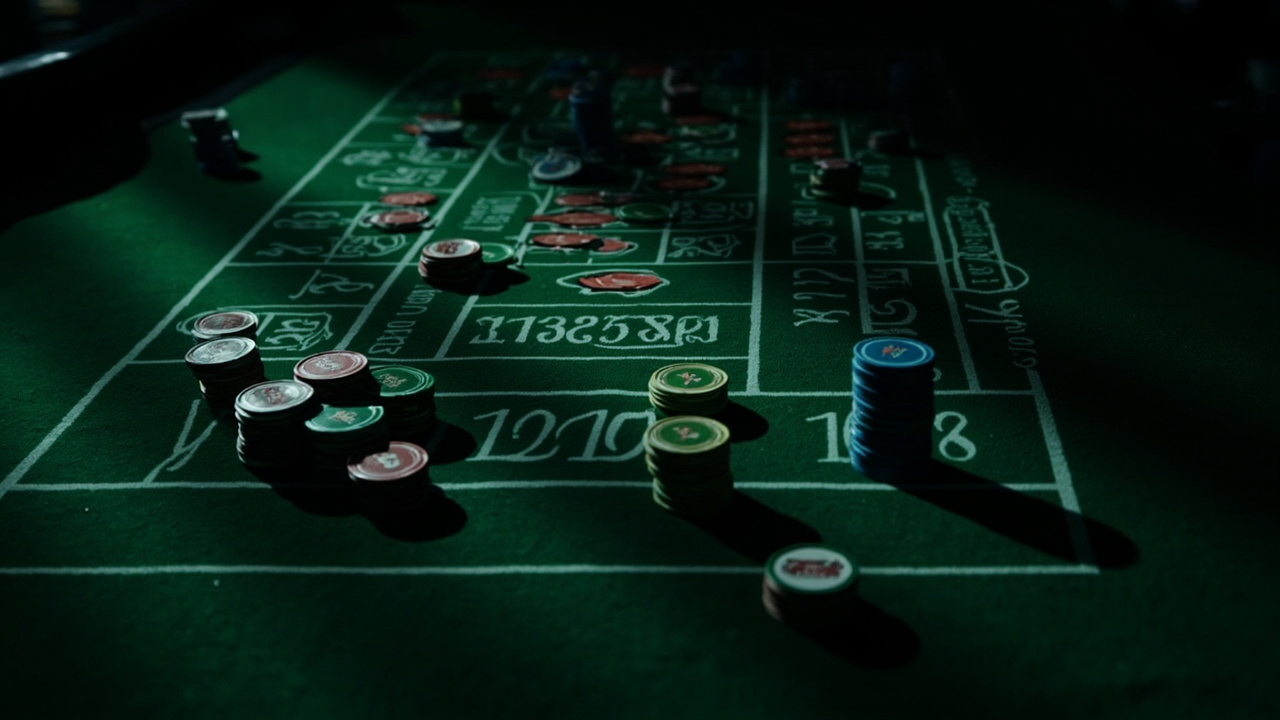
- Split bet: a wager on two adjacent numbers on the layout.
- Dozen bet: a wager on one of the three twelve-number groups on the table.
- House edge: the built-in mathematical advantage held by the casino on each bet.
- Variance: the short-term swing of results around the expected long-term average.
The roulette james bond strategy is a tidy way to arrange chips, but it does not rewrite the maths or protect a bankroll from ordinary swings. Treat it as a session plan, check the wheel and limits first, and keep a clear stop point in mind before the first spin. If you want to read more about how this pattern sits alongside other mobile-friendly table play, the related guide at https://appsios.net/reviews/roulette-strategy-james-bond-explained-281489 lays out the sequence in plain terms. For a local angle on table play and responsible session habits, you can also browse https://allaboardpokie.net/aussie/ for broader Aussie-facing context.